https://youtu.be/WcQjnDNR6FU?si=HhYm7P8eEp5intG6
Summary
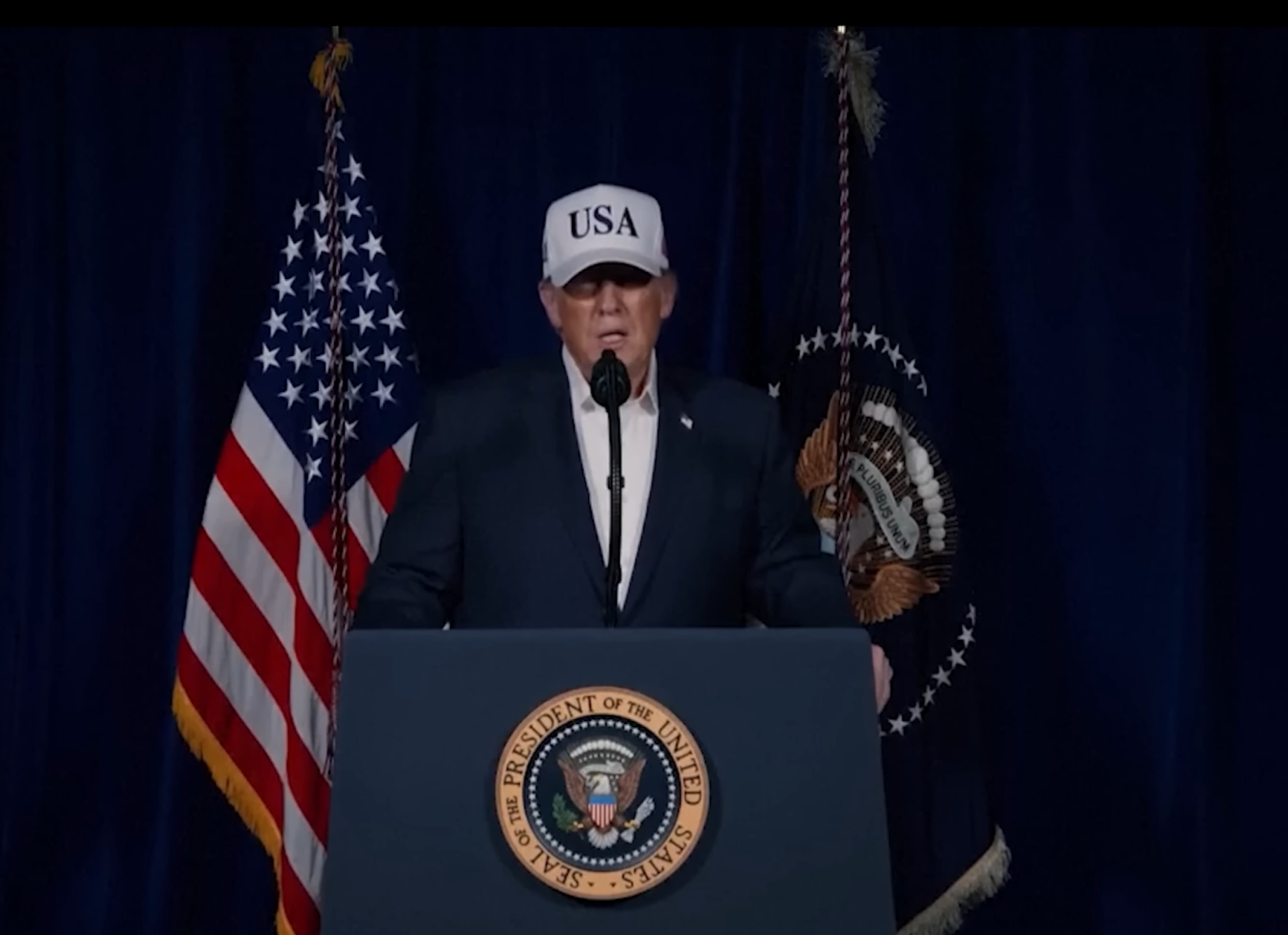
This BBC special report addresses the most-searched questions regarding the widening conflict between the United States and Iran.
Reasons for the Attack: President Trump and his administration have stated that the primary goals are to destroy Iran’s ballistic missile program, prevent Iran from acquiring nuclear weapons, and protect U.S. assets from Iranian retaliation.
Strategic Alliances: Israel is a major partner in this conflict, as Prime Minister Netanyahu has long viewed Iran’s nuclear program as an existential threat. Meanwhile, Iran's "Axis of Resistance," including Hezbollah in Lebanon, is involved to support Iran, despite the heavy consequences.
Domestic Situation in Iran: Following strikes on military and political headquarters in Tehran, a temporary leadership council has been formed to run the country. There are reports of internal instability, and the U.S. has even hinted at the possibility of regime change.
Economic Impact: The conflict has caused a massive inflationary shock. The effective closure of the Strait of Hormuz, a vital channel for 20% of the world’s energy, has led to sharp increases in oil and gas prices, which will soon impact global petrol forcourts and food prices.
Future Outlook: While Trump suggested the war might last 4 to 5 weeks, critics and the Pentagon remain concerned about a long, asymmetric war. The U.S. has not ruled out the possibility of "boots on the ground" if the objectives are not met quickly.
Discussions
1. The Justification for Military Action
The U.S. administration claims the attack is a preemptive (선제적인) move to prevent a larger war. In your opinion, is military intervention ever the best way to ensure long-term peace, or does it usually lead to more chaos?
2. Economic Consequences for Ordinary People
The video explains that the conflict in the Middle East will soon lead to higher gas and food prices globally. How much should economic stability influence a country's foreign policy? Would you support your government's involvement in a war if it meant your cost of living would double?
3. The Goal of "Regime Change"
President Trump hinted at helping Iranians "take over their government." Do you think external pressure can successfully bring democracy to a country, or should political change only come from the people living inside that country?
4. The Role of Modern Alliances
Israel and the U.S. are working together closely against Iran. In today's world, how important is it for countries to have strong military allies? Is it possible for a nation to stay neutral in such a large-scale global conflict?
5. Predicting the Length of War
Trump predicted a short war of 4~5 weeks, but others fear a long, "endless" war. Why is it so difficult for superpowers to predict the end of a conflict? Do you think the U.S. will eventually have to send "boots on the ground" (지상군 투입) to win?