https://youtu.be/PAVPhYXBmhw?si=Gdykw3hDWER_4d87
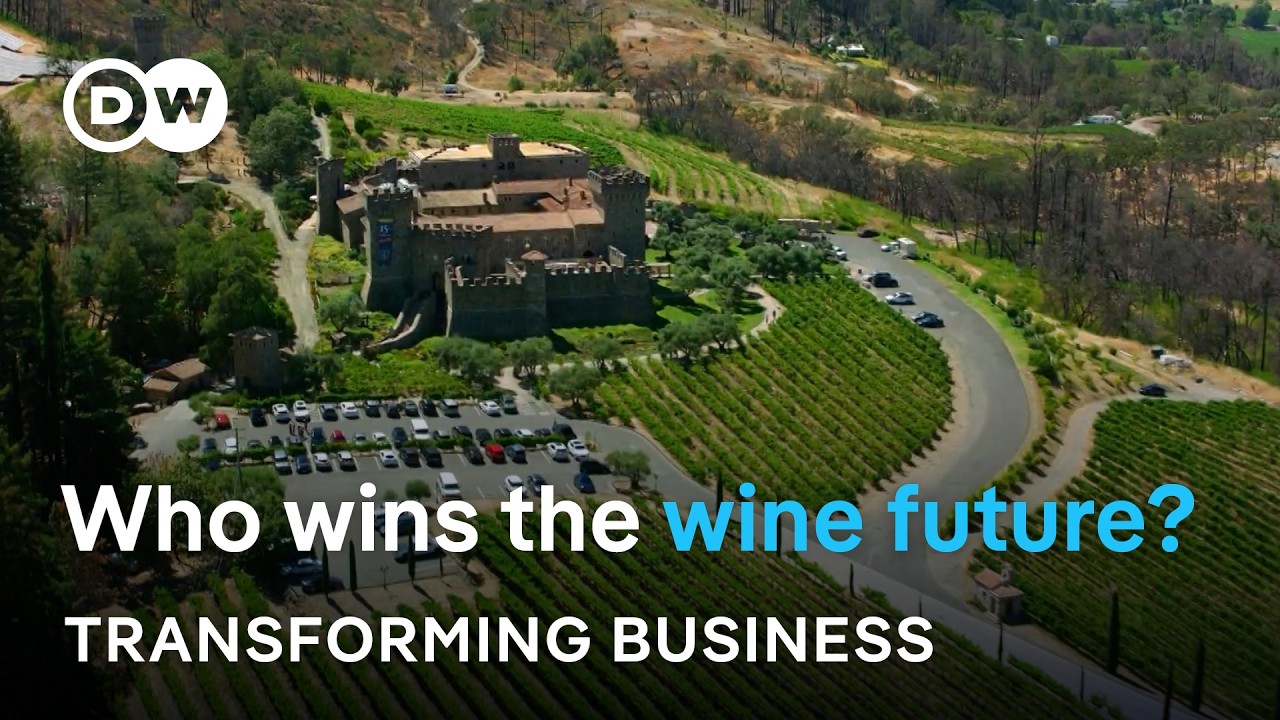
Summary
This report highlights how climate change is redistributing value and risk across the global wine business, shifting traditional "comfort zones".
Chile's Struggle for Survival: Long a top wine exporter, Chile is facing a 15-year "mega drought". Glaciers in the Andes are melting at 70 cm per year, threatening the water supply for vineyards. While large corporations invest millions in research and water efficient technologies (like natural leaf shading), small producers with centuries old traditions are struggling just to survive.
Germany's Temporary Success: In contrast, Germany has become a "winner" of the warming trend. Historically, German winemakers struggled to ripen grapes, but warmer temperatures now allow for more robust, aromatic wines and even wine production in northern regions previously too cold.
Hidden Risks Underground: Despite the current success, scientists warn of rising soil temperatures (up 7 degrees in some areas), which could disrupt the soil's microbiome and water relations. Warmer winters also allow pests and fungal diseases to survive longer, posing new threats to the harvest.
The Future of Wine: The industry's future depends not only on climate adaptation such as water management and soil research but changing consumer habits, as demand for non-alcoholic alternatives grows.
Discussions
1. Winners and Losers of Climate Change
The video describes Germany as a "winner" and Chile as a "loser" in the current climate trend. Do you think it is fair to label countries this way, considering that even "winners" face new risks like soil warming and pests?
2. Technology vs. Tradition
Large wine companies in Chile are using PhDs and high-tech sensors to save water, while small farmers rely on ancestral knowledge. In a world of extreme weather, which do you think is more valuable: cutting-edge science or time-tested tradition?
3. The True Cost of Luxury
As climate change makes high-quality wine harder to produce, prices are likely to rise. Would you be willing to pay significantly more for your favorite wine to support sustainable farming, or would you simply switch to a more affordable drink?
4. Shifting Agricultural Maps
Wine is now being produced in places that were once "unthinkable," like northern Germany. If traditional crops in your own country had to move to new regions because of the weather, how do you think it would affect the local culture and economy?
5. Consumer Responsibility
Besides climate change, the video mentions falling consumption and a rise in non alcoholic wine. As a consumer, do you think we have a responsibility to support industries affected by climate change, or is it solely the responsibility of the businesses to adapt to our changing habits?