https://www.youtube.com/watch?v=oiHjP0_Z6Rs&t=8s
Summary
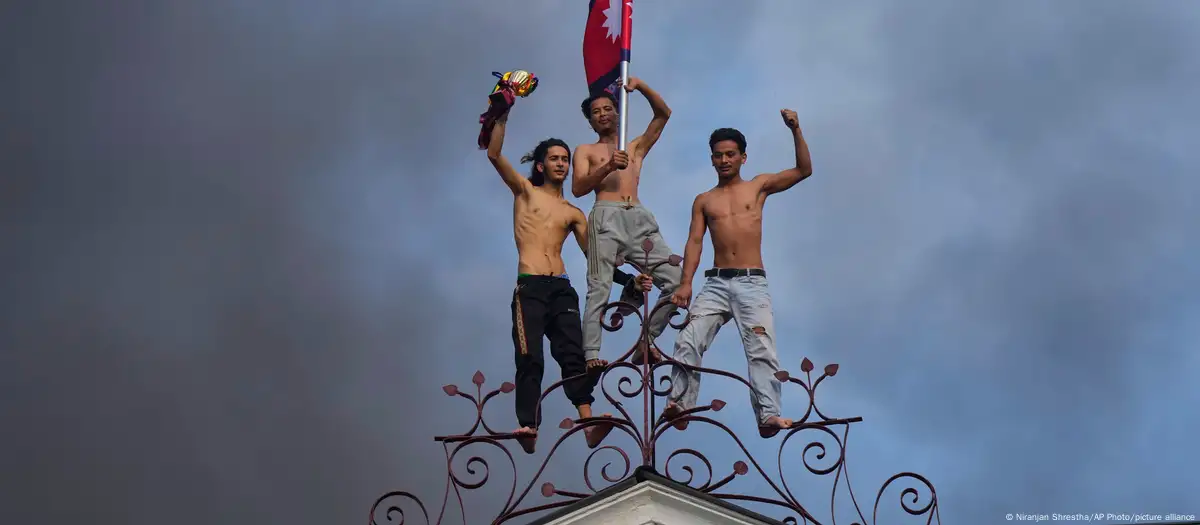
The video details the rapid downfall of the Nepali government, a process that unfolded in just 48 hours, largely driven by mass protests led by Generation Z. The youth were fueled by frustration over deep-seated corruption, inequality, and political instability. The protests, which sadly resulted in over 70 deaths, led to the resignation of the prime minister and the appointment of the country's first female interim prime minister. The video highlights the pivotal role of social media platforms like Discord, which Gen Z used to organize and mobilize, even after a government ban on certain apps. This event is seen as a new era of political engagement for the youth.
Discussion
Q1.
The video highlights how Nepali Gen Z utilized social media platforms to organize. How effective do you think online platforms are in driving real-world political change, especially for younger generations?
Q2.
The protests were fueled by decades of political stagnation and corruption. What steps should the new interim government take to effectively address these fundamental problems?
Q3.
The video mentions a potential 'Asian Spring.' Do you think events in Nepal could inspire similar youth-led movements in other countries in the region?
Q4.
Some argue that arrogant social media posts from Nepal's wealthy elite further fueled public anger. How can social media platforms amplify social and class divides, and what are the potential dangers of a society where such resentment is shared so openly?
Q5.
The video demonstrates how crucial social media was for the revolution. In today's interconnected world, do you think it is possible to live a fulfilling life without social media? What would be the biggest challenge and the biggest benefit of doing so?